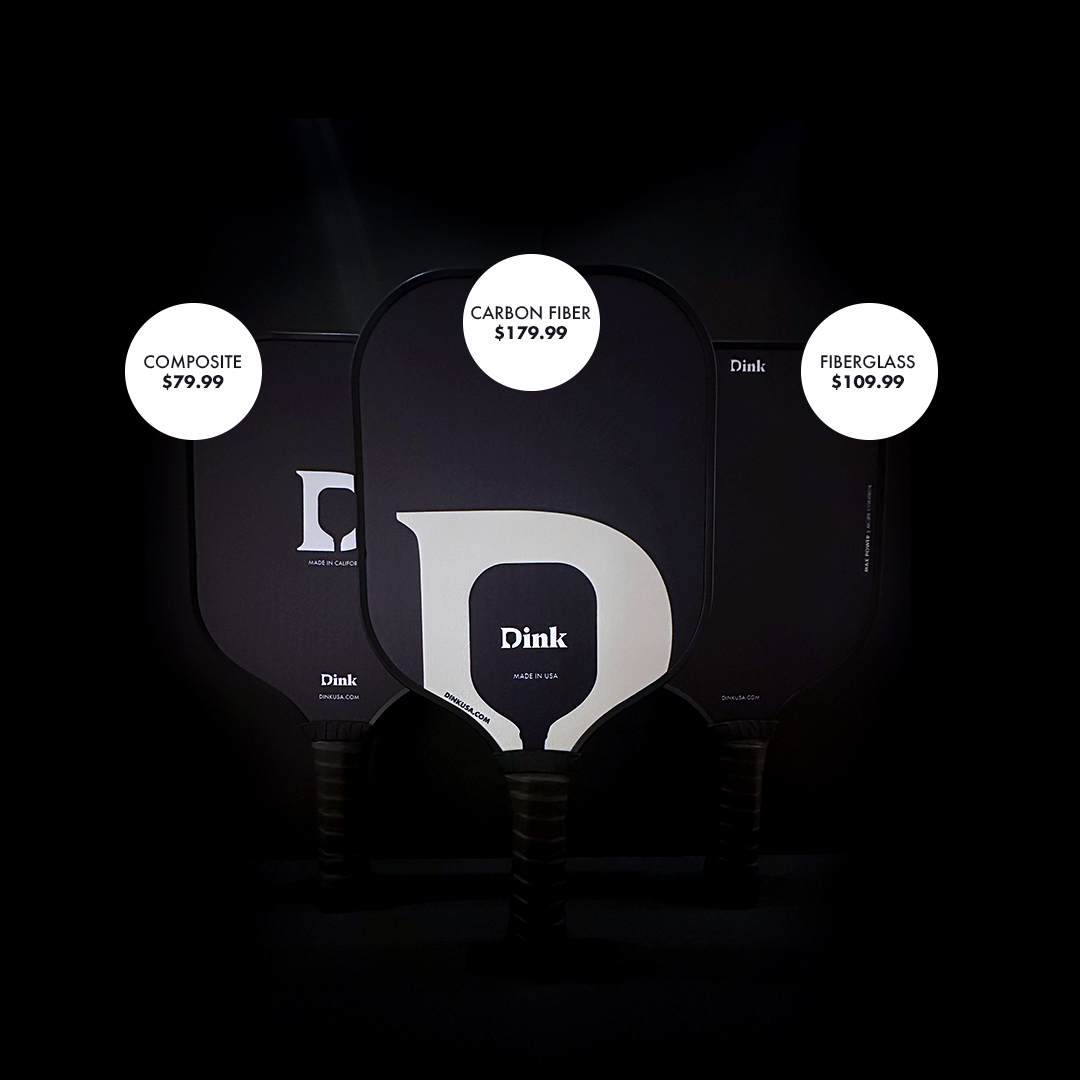
Fiberglass vs Carbon Fiber Pickleball Paddles: Which One Is Right for You?
There is no wrong choice - just the right paddle for your game.
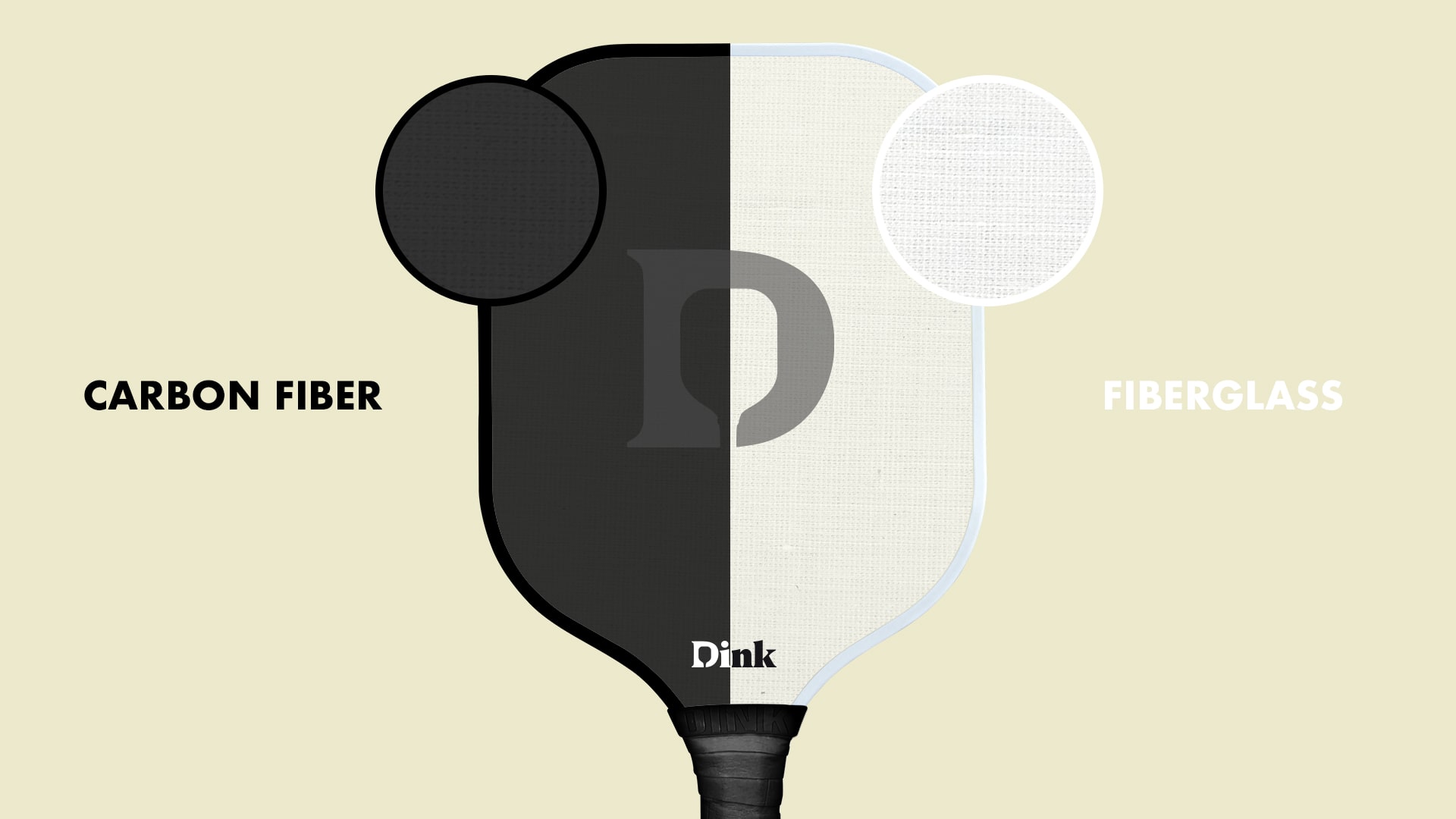
Among different pickleball paddles, fiberglass and carbon fiber dominate the market. However, many players aren’t sure how they differ or which one is the best choice. Before purchasing either one, you should know that while both materials are used in high-quality paddles, they have different constructions and offer different performance characteristics.
In this article, we break down exactly how each material is made and how they compare in key areas like power, control, durability, and price. By the end, we promise you’ll have the clarity you need to choose a paddle that matches your game, not just follow the hype.
Side-by-Side Comparison: Fiberglass vs Carbon Fiber
Both materials are popular choices among pickleball players, but they deliver very different experiences on the court. Each of them has unique advantages depending on your playing style, skill level, and goals. So, it is essential to understand all the factors to choose the paddle that will truly impact your game.
In the table below, we break down the key differences between fiberglass and carbon fiber paddles side by side, making it easier to see which material might be the best fit for you.
Feature | Fiberglass Paddle | Carbon Fiber Paddle |
Power | More pop; the ball jumps off the paddle easily | Controlled, focused power with better shot precision |
Control/Touch | Softer, forgiving feel Easier for beginners | Crisp, responsive touch Ideal for pro shot makers |
Spin Potential | Moderate | High spin generation |
Sweet Spot Size | Larger, more forgiving | Smaller but more responsive |
Durability | Good, but it can wear out faster with heavy use | Excellent; maintains performance longer |
Weight Feel | Slightly heavier feel | Lighter feel (even in the same paddle weight class) |
Typical Price Range | $70 – $150 | $130 – $250+ |
What are Fiberglass Pickleball Paddles?
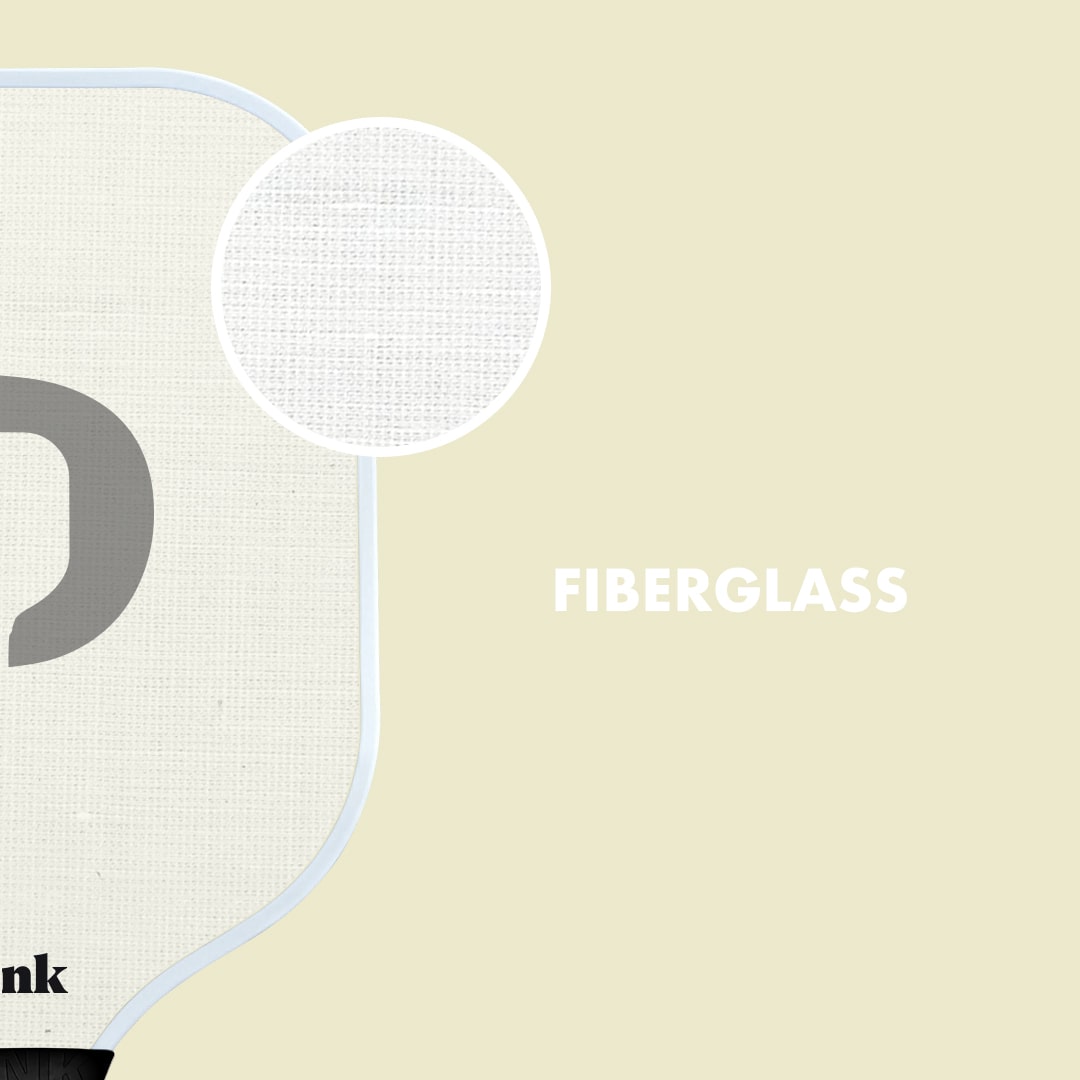
Fiberglass pickleball paddles are paddles made from fiberglass material. Fiberglass is produced by weaving thin strands of glass into a fabric and bonding it with resin to form a solid, durable surface material. In paddle construction, fiberglass is valued because it’s strong yet slightly flexible, evenly distributing power across the paddle. Many mid-range and entry-level paddles on the market use fiberglass as a pickleball paddle material.
What are Carbon Fiber Pickleball Paddles?
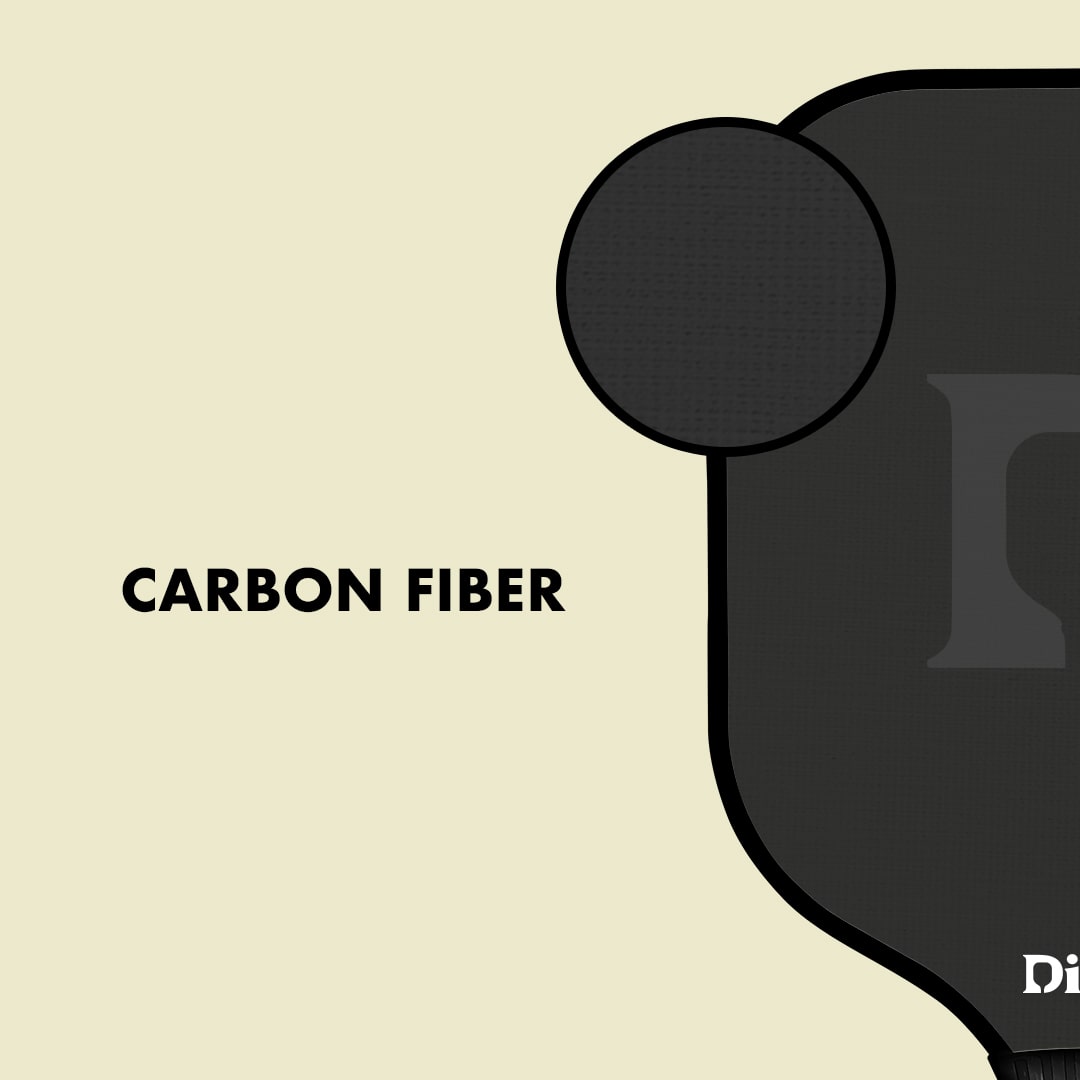
Carbon fiber pickleball paddles are made from tightly woven carbon strands bonded with resin, creating an extremely strong and lightweight material. It is commonly used in premium paddle designs due to its strength-to-weight advantages and durability over time. Paddle manufacturers often select carbon fiber to produce high-performance paddles intended for competitive and professional-level use.
How do the Materials Affect Your Game Play?
The material of the pickleball paddle plays a significant role in how you experience the game. Fiberglass and carbon fiber each influence important aspects of performance, such as power, control, spin, and overall feel. You need to understand these factors and how they affect the gameplay.
Power
Fiberglass paddles give players extra "pop," allowing them to hit the ball harder with less effort. This happens because fiberglass has more flex, allowing it to absorb and release energy quickly when in contact with the ball. In contrast, carbon fiber paddles have more control over power. The stiffer nature of carbon fiber absorbs less energy and keeps the ball on the paddle’s surface slightly longer, transferring power in more precise and focused shots.
So, depending on the material, the ball can either launch quickly off the face or stay connected for a moment longer. And this is how the material affects the amount of force and spin a player can generate.
Control and Touch
Control and touch are essential aspects of the game, especially regarding dinks in pickleball, resets, and strategic play. Fiberglass paddles have a softer, more forgiving feel when contacting the ball, which can help beginner players with less experience keep the ball in play longer.
Carbon fiber paddles provide a firmer and more responsive touch, enabling skilled players to achieve greater accuracy with every shot. Because their surfaces are stiffer, they allow advanced players to control exactly how much power and spin they are applying when hitting the ball.
Spin Potential
When it comes to pickleball spin, carbon fiber paddles usually offer superior performance compared to fiberglass. This is because carbon fiber surfaces are rougher, allowing the player to "hold" the ball more effectively and generate greater spin.
Fiberglass faces are smoother, and their texture is applied during the manufacturing process; however, they can wear down over time due to constant use. Because of this, fiberglass paddles usually have decent spin only when they are new.
Players who focus on improving their spin techniques, such as topspin drives and spin serves, often prefer paddles made of carbon fiber.
Our tip: For recreational players or those still developing their spin game, fiberglass paddles provide enough spin without the extra cost.
Sweet Spot
The sweet spot is the area on a pickleball paddle face that produces the most power and control when in contact with the ball. Fiberglass paddles have a larger and more forgiving sweet spot because of their flexibility and energy-dispersing properties.
Carbon fiber paddles have a smaller but more responsive sweet spot, resulting in more accurate and efficient hits. Choosing between the two materials comes down to how consistently you can hit the center of the paddle and whether you prefer responsiveness or forgiveness.
Durability and Longevity
When choosing between the two pickleball paddles, it is essential to evaluate their durability and longevity. First, you should understand the inherent properties of each material and how they respond to regular pickleball play. Carbon fiber paddles are famous for their exceptional strength and resistance to wear over time. However, this material is still susceptible to moisture, heat, and general deterioration. Even though it's better than fiberglass, wood, or other alternatives, that doesn’t mean you should neglect cleaning your paddle or handling it properly.
Fiberglass paddles wear out more quickly when heavily used, especially by players with aggressive play styles. Several player reports and our team’s tests have shown that fiberglass paddles can wear down after a few months of consistent play.
Our tip: Regularly cleaning and properly storing your paddle can extend its lifespan, but remember, the inherent material properties are the foundation of long-term durability.
Carbon Fiber and Fiberglass Pickleball Paddles Price Comparison
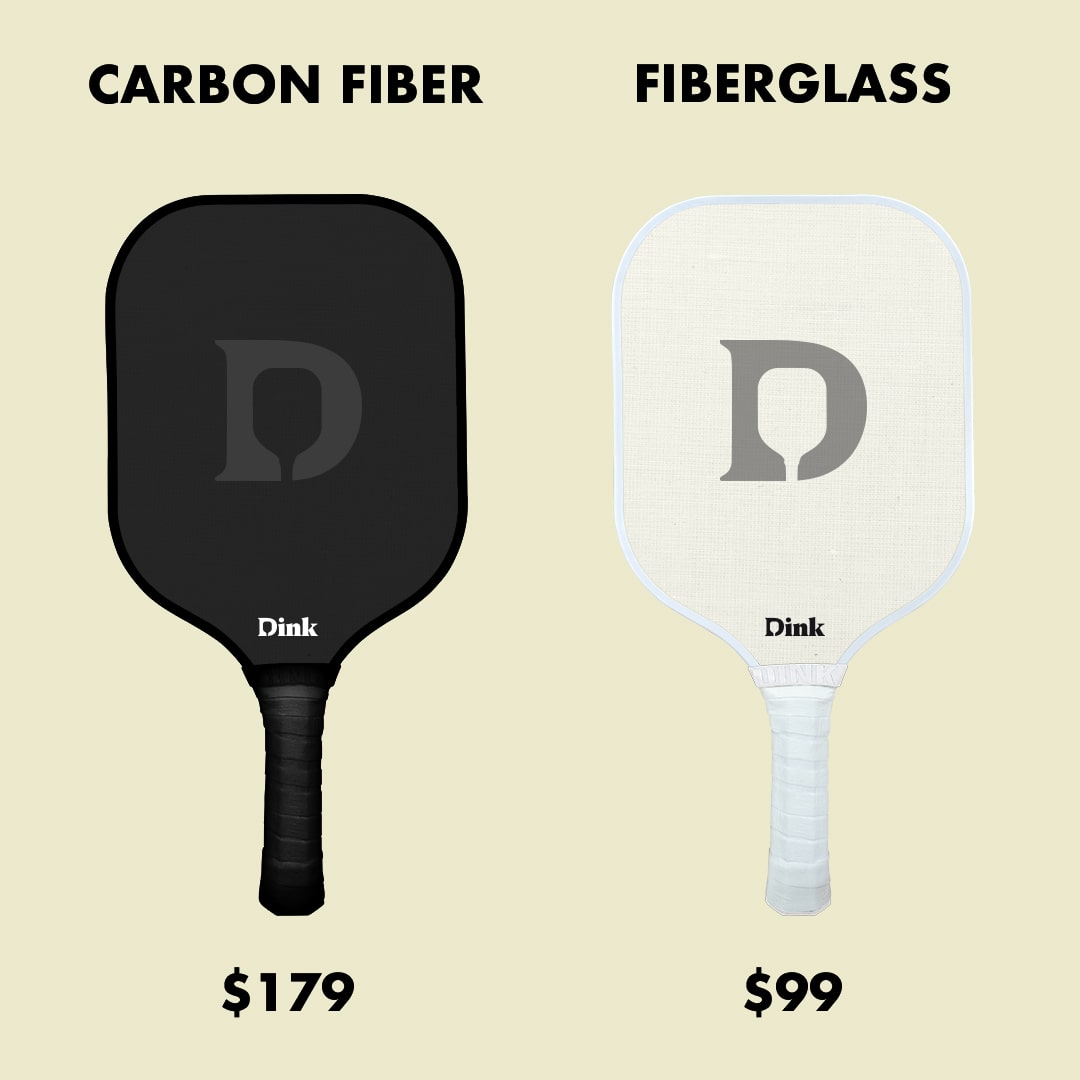
Finally, let’s talk about the cost, because this is one of the most important components that affect the player's choice (let’s be honest, we all want the best pickleball paddle out there, but our budget is not always in line with our wishes). The cost difference between these two materials is due to the complexity of the materials and their performance characteristics. Fiberglass paddles are generally more affordable because fiberglass is cheaper to produce, easier to mold, and requires less labor.
Carbon fiber paddles are considered a premium option due to their high-performance material, advanced manufacturing techniques, and high performance. It is more costly to produce because it involves more complex fabrication to ensure the required strength, durability, stiffness, and weight. The price gap also reflects user intent: fiberglass serves players seeking value and general playability, while carbon fiber caters to players prioritizing precision, spin, and long-term performance.
Our tip: For players evaluating paddle options, understanding the paddles' pricing structure can help determine whether the investment in carbon fiber aligns with their playing goals.
Who Should Choose a Fiberglass Pickleball Paddle?
Fiberglass pickleball paddles are an excellent choice for players who are seeking a mix of power and control for an affordable price. For example, Dink’s personalized fiberglass paddles are particularly well-suited for intermediate and casual players who are working on improving their technique and want a paddle that offers a forgiving feel and a larger sweet spot.
If you are budget-conscious or new to the sport, fiberglass paddles are an ideal starting point, offering quality performance without a significant financial investment.
Personalize Our Carbon Fiber Pickleball Paddle
Starting from $109.99/each
Who Should Choose a Carbon Fiber Pickleball Paddle?
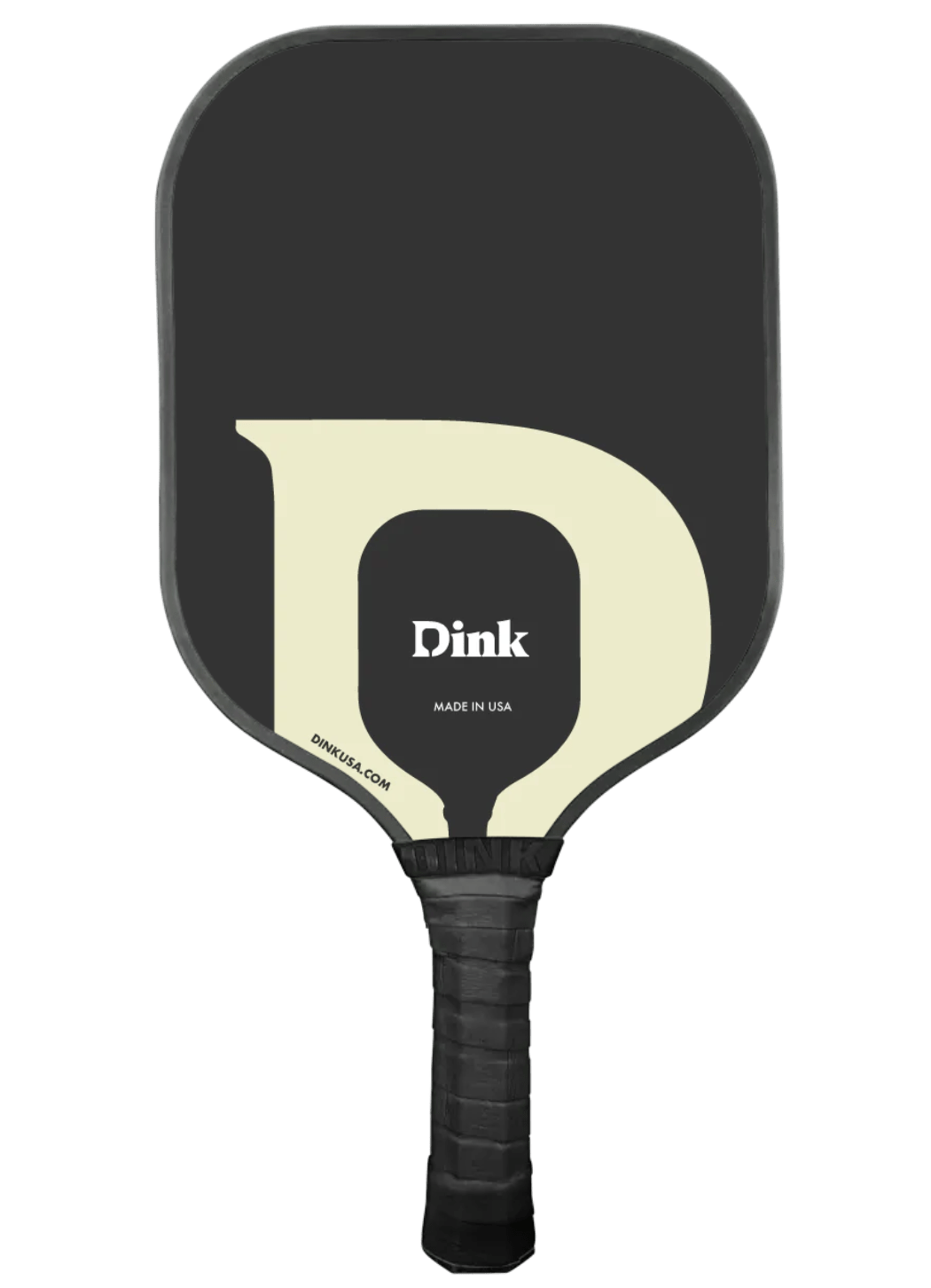
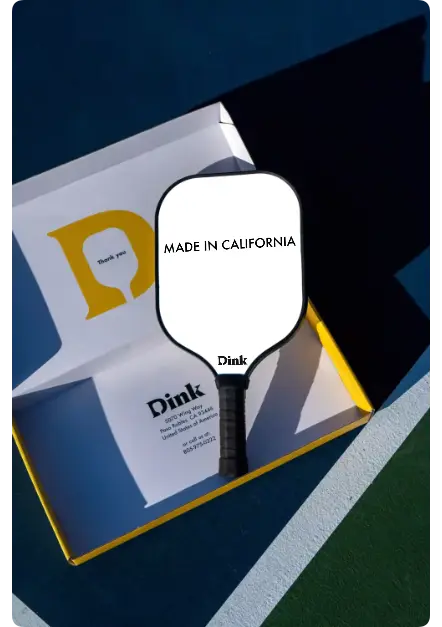
A carbon fiber pickleball paddle is best suited for players who value precision, spin, and responsiveness in their game. Let’s take Dink’s custom carbon fiber paddles as an example, which benefit intermediate to advanced players because the stiffer surface provides greater feedback and shot control.
Players with strong pickleball fundamentals and advanced techniques typically appreciate the smaller sweet spot and higher sensitivity of carbon fiber faces. It’s also a smart choice for competitive or regular players looking for long-term performance and durability. While these paddles often come at a higher price point, players serious about improving their control and consistency find the investment worth it.
Customize Carbon Fiber Pickleball Paddle
Starting from $179.99
Frequently Asked Questions (FAQs)
How long do carbon fiber paddles last?
Carbon fiber pickleball paddles can last from 3 months to 3 years (if you play very occasionally), depending on the frequency of use, paddle care, and playing style. Although they’re known for their durability and ability to maintain performance over time, edge impacts or extreme temperatures can shorten their lifespan. For added peace of mind, we offer coverage options at Dink. See Dink’s warranty policy for details.
Which lasts longer, fiberglass or carbon fiber paddles?
Carbon fiber paddles generally last longer than fiberglass paddles due to their higher strength and structural rigidity. While fiberglass can wear down or soften with extended use, carbon fiber maintains its performance over time, making it more durable in the long run.
Are carbon fiber paddles too stiff for beginners?
Yes, carbon fiber paddles may feel slightly stiff for beginners who are still developing control and touch. The material offers less forgiveness on off-center hits, making learning harder for some players. However, many beginners still use them successfully if they prefer a more responsive feel.
Can a beginner use a carbon fiber paddle?
Yes, a beginner can use a carbon fiber paddle, but it may not always be the most practical choice. While carbon fiber offers excellent control and durability, its higher cost and lower forgiveness compared to fiberglass may not be ideal for players still developing their technique. Beginners often benefit more from a paddle that’s easier to use and more affordable.
Does fiberglass feel different than carbon fiber when hitting?
Yes, fiberglass and carbon fiber paddles feel noticeably different when hitting the ball. Fiberglass feels softer and more flexible, while carbon fiber feels firmer and more rigid.
Meet the Expert

Nadya Morison
Hi, I'm Nadya — a longtime content and data researcher with a passion for storytelling, trends, and all things curious. Over the years, I’ve written for various websites, diving into everything from cultural shifts to consumer behavior. On the Dink´s blog, I bring my research brain (and paddle) to the court to explore the sport’s growth, community, and unexpected cultural moments.